
Missing teeth affect more than appearance. They can make chewing difficult and cause surrounding teeth to shift over time. Many people search for a permanent solution that restores both function and confidence. Modern dental technology offers exactly that. Before scheduling a consultation, understanding the process helps patients feel prepared for what comes next.
Understanding This Long-Term Tooth Replacement Option
Considering a permanent fix for missing teeth but unsure where to start? Trusted full dental implants Pittsburgh PA patients choose restore both function and appearance effectively. Here is what the process involves.
How the Procedure Works
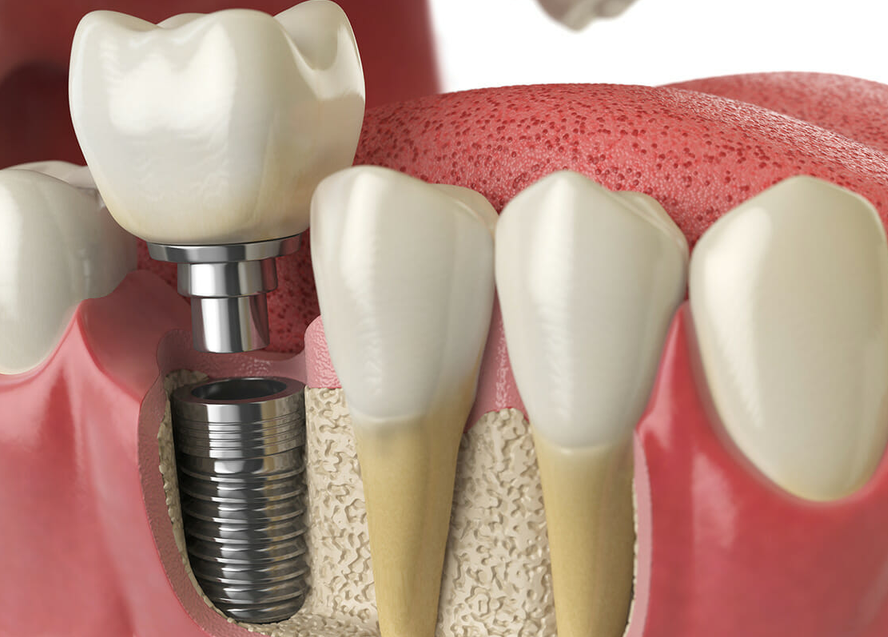
Dental implants involve placing a titanium post directly into the jawbone. This post acts as an artificial root, providing a stable foundation for a replacement tooth. Over several months, the bone fuses naturally around the implant through a process called osseointegration. Once healed, a custom crown attaches to the post. This creates a result that looks and functions like a natural tooth.
Who Makes a Good Candidate
Most healthy adults with sufficient jawbone density qualify for this procedure. Patients with gum disease or significant bone loss may need additional treatment first. Bone grafting can rebuild areas lacking sufficient density before implant placement. Smokers and those with certain medical conditions should discuss risks with their dentist beforehand. A thorough evaluation determines whether implants or another option better suits each patient’s situation.
Comparing Implants to Other Options
Traditional bridges and dentures replace missing teeth but come with limitations implants avoid. Bridges require altering healthy neighboring teeth for support. Dentures can shift or feel uncomfortable during eating and speaking. Implants stand independently without affecting surrounding teeth. They also help preserve jawbone density, which dentures cannot do. This makes implants a stronger long-term investment for many patients seeking lasting results.
What Recovery Actually Looks Like
Recovery time varies depending on individual healing and how many implants get placed. Mild swelling and discomfort are common during the first few days. Most patients return to normal activities within a week. Complete bone integration takes several months before the final crown gets attached. Following aftercare instructions closely reduces complications and supports proper healing throughout this entire process.
Caring for Implants Long Term
Dental implants require the same care as natural teeth. Regular brushing, flossing, and dental checkups keep the surrounding gum tissue healthy. Unlike natural teeth, implants cannot develop cavities, but gum disease can still affect the supporting bone. Maintaining good oral hygiene protects the investment for decades. With proper care, implants often last a lifetime without needing replacement.
Conclusion: Understanding This Long-Term Tooth Replacement Option
Dental implants offer a durable, natural looking solution for missing teeth. Understanding the procedure, candidacy requirements, and recovery process helps patients feel confident moving forward. Comparing implants to other replacement options highlights their long-term advantages. With proper care, this investment can provide lasting function and a confident smile for many years ahead.
Recent Comments