
How Automation Transforms Factory Operations
Manufacturing and warehouse facilities face constant pressure to increase output while controlling costs. Manual processes slow production and introduce human error into repetitive tasks. Many facility managers look for ways to boost efficiency without sacrificing quality. Automated systems address this challenge directly. Here is how these solutions reshape daily operations across industrial and warehousing environments.
Boosting Efficiency Across the Facility Floor
Struggling to keep production consistent while demand keeps climbing higher? A trusted industrial automation company Charleston SC manufacturers rely on streamlines operations from receiving to shipping. Here is how it works.
Streamlining Repetitive Tasks
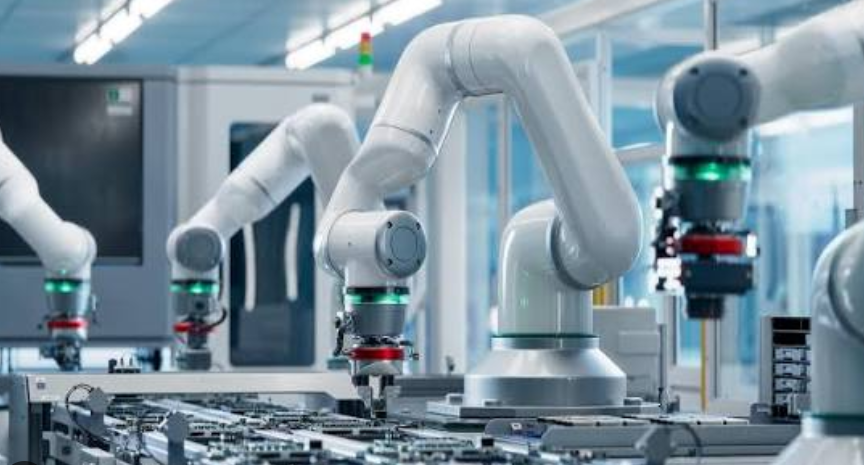
Manual repetitive tasks slow down production and increase the chance of costly mistakes. Automated systems handle sorting, packaging, and material handling with far greater consistency than human labor alone. This frees employees to focus on tasks requiring judgment and problem solving instead. Facilities that automate these repetitive processes often see noticeable improvements in both speed and accuracy across daily operations on the production floor.
Improving Warehouse Inventory Accuracy
Tracking inventory manually leads to errors that affect order fulfillment and stock levels. Automated systems monitor inventory in real time, updating counts as items move through the facility. This accuracy reduces costly mistakes like overselling or running out of critical materials unexpectedly. Warehouse managers gain better visibility into stock levels, which supports smarter purchasing decisions and reduces wasted storage space throughout the facility.
Enhancing Workplace Safety
Automated equipment handles many dangerous or physically demanding tasks that once put workers at risk. Heavy lifting, repetitive motion injuries, and exposure to hazardous materials decrease significantly when machines take over these responsibilities. This shift protects employees while also reducing liability concerns for facility owners. Safer working conditions often lead to lower turnover and higher morale among the remaining workforce handling other tasks.
Reducing Long Term Operating Costs
While automation requires upfront investment, it often reduces costs significantly over time. Fewer errors mean less wasted material and rework. Consistent output reduces the need for overtime labor during demand spikes. Energy efficient equipment also lowers utility expenses compared to older manual processes. Facilities that calculate total cost of ownership often find automation pays for itself within a reasonable timeframe.
Planning a Smooth Implementation
Successful automation projects require careful planning around existing workflows. Facility managers should evaluate which processes benefit most from automation before committing to major changes. Working with experienced integrators helps identify practical starting points rather than attempting a complete overhaul at once. A phased approach often minimizes disruption while still delivering meaningful improvements across the facility’s overall operations.
Conclusion: Boosting Efficiency Across the Facility Floor
Automation reshapes how factories and warehouses operate on a daily basis. Streamlining repetitive tasks, improving inventory accuracy, and enhancing safety all contribute to stronger performance. Long term cost savings make the investment worthwhile for many facilities. Careful planning ensures implementation goes smoothly and delivers lasting value across the entire operation.

Recent Comments