
How Automation Transforms Factory Operations

Manufacturing and warehouse facilities face constant pressure to increase output while controlling costs. Manual processes slow production and introduce human error into repetitive tasks. Many facility managers look for ways to boost efficiency without sacrificing quality. Automated systems address this challenge directly. Here is how these solutions reshape daily operations across industrial and warehousing environments.
Boosting Efficiency Across the Facility Floor

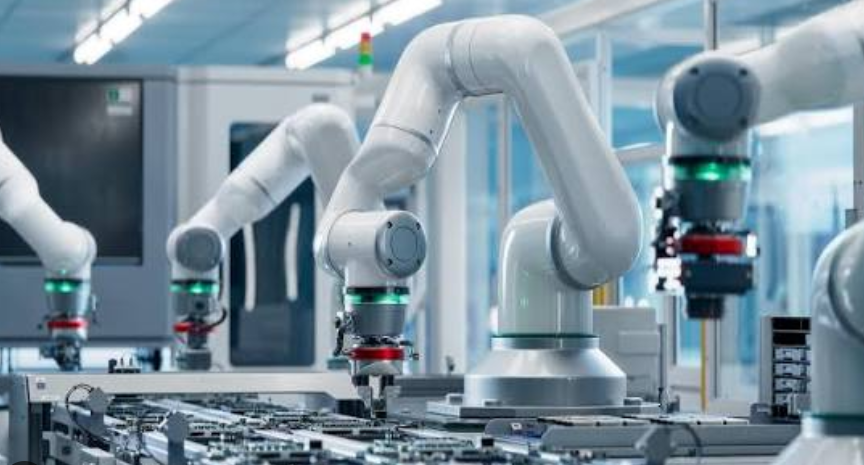
Struggling to keep production consistent while demand keeps climbing higher? A trusted industrial automation company Charleston SC manufacturers rely on streamlines operations from receiving to shipping. Here is how it works.

Streamlining Repetitive Tasks

Manual repetitive tasks slow down production and increase the chance of costly mistakes. Automated systems handle sorting, packaging, and material handling with far greater consistency than human labor alone. This frees employees to focus on tasks requiring judgment and problem solving instead. Facilities that automate these repetitive processes often see noticeable improvements in both speed and accuracy across daily operations on the production floor.

Improving Warehouse Inventory Accuracy

Tracking inventory manually leads to errors that affect order fulfillment and stock levels. Automated systems monitor inventory in real time, updating counts as items move through the facility. This accuracy reduces costly mistakes like overselling or running out of critical materials unexpectedly. Warehouse managers gain better visibility into stock levels, which supports smarter purchasing decisions and reduces wasted storage space throughout the facility.

Enhancing Workplace Safety

Automated equipment handles many dangerous or physically demanding tasks that once put workers at risk. Heavy lifting, repetitive motion injuries, and exposure to hazardous materials decrease significantly when machines take over these responsibilities. This shift protects employees while also reducing liability concerns for facility owners. Safer working conditions often lead to lower turnover and higher morale among the remaining workforce handling other tasks.

Reducing Long Term Operating Costs

While automation requires upfront investment, it often reduces costs significantly over time. Fewer errors mean less wasted material and rework. Consistent output reduces the need for overtime labor during demand spikes. Energy efficient equipment also lowers utility expenses compared to older manual processes. Facilities that calculate total cost of ownership often find automation pays for itself within a reasonable timeframe.

Planning a Smooth Implementation

Successful automation projects require careful planning around existing workflows. Facility managers should evaluate which processes benefit most from automation before committing to major changes. Working with experienced integrators helps identify practical starting points rather than attempting a complete overhaul at once. A phased approach often minimizes disruption while still delivering meaningful improvements across the facility’s overall operations.

Conclusion: Boosting Efficiency Across the Facility Floor

Automation reshapes how factories and warehouses operate on a daily basis. Streamlining repetitive tasks, improving inventory accuracy, and enhancing safety all contribute to stronger performance. Long term cost savings make the investment worthwhile for many facilities. Careful planning ensures implementation goes smoothly and delivers lasting value across the entire operation.
What Every Property Owner Should Know Before Hiring an Electrician

Electrical work is one of those areas where cutting corners or making a hasty decision can have serious and lasting consequences. Whether you are dealing with a minor repair, a full rewire, or a new installation, the electrician you bring into your home or commercial property has a direct impact on safety, code compliance, and the long-term reliability of your electrical system.

Getting Electrical Work Done Right the First Time

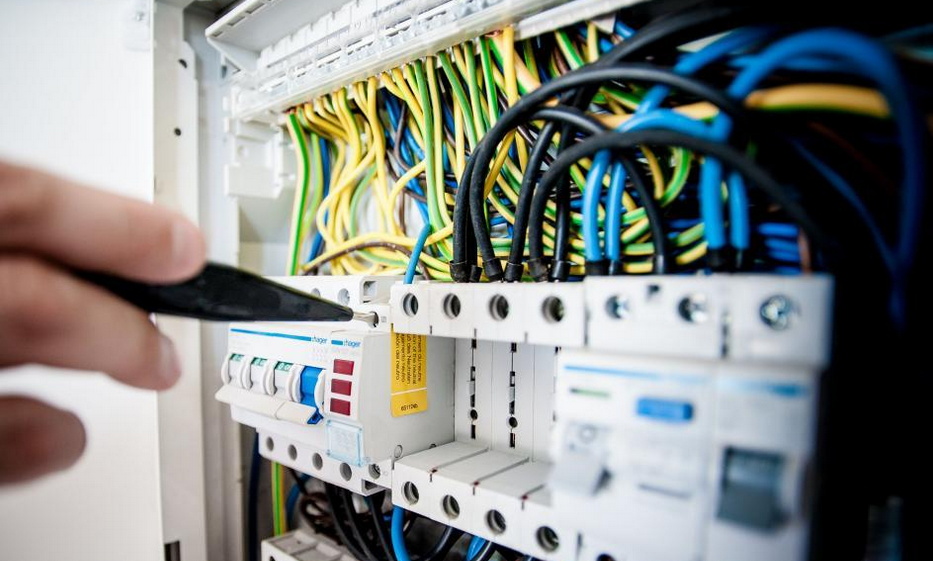
Faulty electrical work is one of the leading causes of residential and commercial fires, which is why finding the right professional matters more than most people initially appreciate. Businesses looking for a dependable electrician Charleston SC should evaluate their options based on more than availability and price alone. Here is what truly deserves your attention.

Licensing and Insurance Are Non-Negotiable Starting Points

First and foremost, any electrician you seriously consider hiring must carry the proper licensing and insurance for the work they perform. Licensing confirms that the electrician has met the technical and legal standards required to work safely and legally in your area. Insurance protects you as the property owner if something goes wrong during the job. Hiring an unlicensed or uninsured electrician might seem like a cost-saving move upfront, but the liability exposure and potential repair costs that can follow make it a risk no property owner should take.

Experience With Your Specific Type of Project Matters Enormously

Furthermore, electrical work covers an extraordinarily wide range of specializations. A technician with deep experience in residential panel upgrades may have limited familiarity with commercial wiring systems, and vice versa. Before committing to any electrician, confirm that they have hands-on experience with projects that closely match yours. Ask for examples of similar work, request references, and pay attention to how confidently and specifically they discuss the scope of your job during the initial consultation.

Transparent Pricing Builds Trust Before Work Even Begins

Another quality that distinguishes reliable electricians from unreliable ones is how openly and clearly they communicate about cost. A trustworthy professional provides detailed written estimates that break down labor, materials, and any additional fees before a single wire is touched. Vague verbal quotes and reluctance to put pricing in writing are warning signs worth taking seriously. Clear, upfront pricing not only protects your budget but also signals that the electrician values honest and professional dealings with their clients.

Responsiveness Tells You a Lot About How a Job Will Go

Moreover, the way an electrician communicates before you hire them is a reliable preview of how they will behave throughout the project. Do they return calls and messages promptly? Do they show up on time for estimates? Are they willing to answer your questions thoroughly without making you feel rushed? Responsiveness and professionalism in the early stages of a working relationship are strong indicators of an electrician who respects your time and takes their reputation seriously.

Quality Workmanship Shows in the Details Long After the Job Is Done

Finally, excellent electrical work is not just about completing a task. It is about doing it in a way that is clean, precise, code-compliant, and built to last. Skilled electricians take pride in neat installations, properly labeled panels, and work that holds up under inspection and over time. The quality of the details reflects the overall standard of care an electrician brings to every project they take on.

Conclusion: Getting Electrical Work Done Right the First Time

To wrap it all up, finding the right electrician comes down to verified licensing, relevant experience, transparent pricing, strong communication, and a genuine commitment to quality workmanship. These are not optional qualities. They are the foundation of electrical work you can trust and rely on for years to come. Take the time to evaluate your options carefully, and hire a professional who meets every one of these standards without compromise.