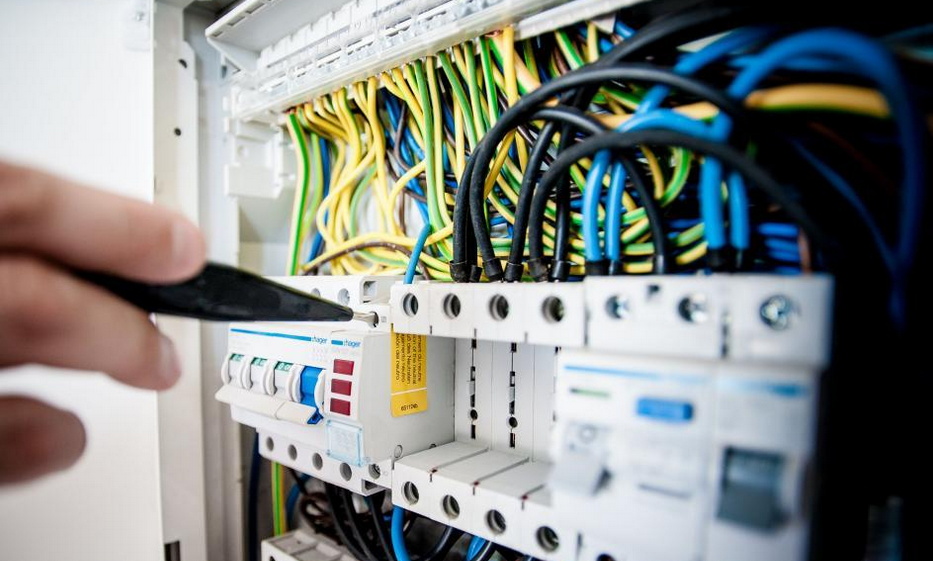
How Automation Transforms Factory Operations

Manufacturing and warehouse facilities face constant pressure to increase output while controlling costs. Manual processes slow production and introduce human error into repetitive tasks. Many facility managers look for ways to boost efficiency without sacrificing quality. Automated systems address this challenge directly. Here is how these solutions reshape daily operations across industrial and warehousing environments.

Boosting Efficiency Across the Facility Floor

Struggling to keep production consistent while demand keeps climbing higher? A trusted industrial automation company Charleston SC manufacturers rely on streamlines operations from receiving to shipping. Here is how it works.

Streamlining Repetitive Tasks

Manual repetitive tasks slow down production and increase the chance of costly mistakes. Automated systems handle sorting, packaging, and material handling with far greater consistency than human labor alone. This frees employees to focus on tasks requiring judgment and problem solving instead. Facilities that automate these repetitive processes often see noticeable improvements in both speed and accuracy across daily operations on the production floor.

Improving Warehouse Inventory Accuracy

Tracking inventory manually leads to errors that affect order fulfillment and stock levels. Automated systems monitor inventory in real time, updating counts as items move through the facility. This accuracy reduces costly mistakes like overselling or running out of critical materials unexpectedly. Warehouse managers gain better visibility into stock levels, which supports smarter purchasing decisions and reduces wasted storage space throughout the facility.

Enhancing Workplace Safety

Automated equipment handles many dangerous or physically demanding tasks that once put workers at risk. Heavy lifting, repetitive motion injuries, and exposure to hazardous materials decrease significantly when machines take over these responsibilities. This shift protects employees while also reducing liability concerns for facility owners. Safer working conditions often lead to lower turnover and higher morale among the remaining workforce handling other tasks.

Reducing Long Term Operating Costs

While automation requires upfront investment, it often reduces costs significantly over time. Fewer errors mean less wasted material and rework. Consistent output reduces the need for overtime labor during demand spikes. Energy efficient equipment also lowers utility expenses compared to older manual processes. Facilities that calculate total cost of ownership often find automation pays for itself within a reasonable timeframe.

Planning a Smooth Implementation

Successful automation projects require careful planning around existing workflows. Facility managers should evaluate which processes benefit most from automation before committing to major changes. Working with experienced integrators helps identify practical starting points rather than attempting a complete overhaul at once. A phased approach often minimizes disruption while still delivering meaningful improvements across the facility’s overall operations.

Conclusion: Boosting Efficiency Across the Facility Floor

Automation reshapes how factories and warehouses operate on a daily basis. Streamlining repetitive tasks, improving inventory accuracy, and enhancing safety all contribute to stronger performance. Long term cost savings make the investment worthwhile for many facilities. Careful planning ensures implementation goes smoothly and delivers lasting value across the entire operation.


What to Know Before Getting Dental Implants

Missing teeth affect more than appearance. They can make chewing difficult and cause surrounding teeth to shift over time. Many people search for a permanent solution that restores both function and confidence. Modern dental technology offers exactly that. Before scheduling a consultation, understanding the process helps patients feel prepared for what comes next.

Understanding This Long-Term Tooth Replacement Option

Considering a permanent fix for missing teeth but unsure where to start? Trusted full dental implants Pittsburgh PA patients choose restore both function and appearance effectively. Here is what the process involves.

How the Procedure Works

Dental implants involve placing a titanium post directly into the jawbone. This post acts as an artificial root, providing a stable foundation for a replacement tooth. Over several months, the bone fuses naturally around the implant through a process called osseointegration. Once healed, a custom crown attaches to the post. This creates a result that looks and functions like a natural tooth.

Who Makes a Good Candidate

Most healthy adults with sufficient jawbone density qualify for this procedure. Patients with gum disease or significant bone loss may need additional treatment first. Bone grafting can rebuild areas lacking sufficient density before implant placement. Smokers and those with certain medical conditions should discuss risks with their dentist beforehand. A thorough evaluation determines whether implants or another option better suits each patient’s situation.

Comparing Implants to Other Options

Traditional bridges and dentures replace missing teeth but come with limitations implants avoid. Bridges require altering healthy neighboring teeth for support. Dentures can shift or feel uncomfortable during eating and speaking. Implants stand independently without affecting surrounding teeth. They also help preserve jawbone density, which dentures cannot do. This makes implants a stronger long-term investment for many patients seeking lasting results.

What Recovery Actually Looks Like

Recovery time varies depending on individual healing and how many implants get placed. Mild swelling and discomfort are common during the first few days. Most patients return to normal activities within a week. Complete bone integration takes several months before the final crown gets attached. Following aftercare instructions closely reduces complications and supports proper healing throughout this entire process.

Caring for Implants Long Term

Dental implants require the same care as natural teeth. Regular brushing, flossing, and dental checkups keep the surrounding gum tissue healthy. Unlike natural teeth, implants cannot develop cavities, but gum disease can still affect the supporting bone. Maintaining good oral hygiene protects the investment for decades. With proper care, implants often last a lifetime without needing replacement.

Conclusion: Understanding This Long-Term Tooth Replacement Option

Dental implants offer a durable, natural looking solution for missing teeth. Understanding the procedure, candidacy requirements, and recovery process helps patients feel confident moving forward. Comparing implants to other replacement options highlights their long-term advantages. With proper care, this investment can provide lasting function and a confident smile for many years ahead.

What Separates a Great Construction Contractor from the Rest of the Field

Choosing a construction contractor is one of the most consequential decisions a homeowner or property developer makes. The right contractor transforms a vision into a finished reality that performs well and holds its value for decades. The wrong one turns an exciting project into a prolonged and expensive ordeal that is far harder to recover from than most people anticipate before they sign a contract.

The Contractor You Choose Defines the Entire Project Experience

Every construction project reflects the standards of the team executing it from the first day of site preparation to the final walkthrough. Property owners who want results that match their vision and their investment partner with experienced Construction contractors Woodstock GA who bring the planning discipline, technical skill, and communication standards that quality projects demand at every stage.

Planning Quality Determines Whether Projects Stay on Track

To begin with, the most reliable predictor of how smoothly a construction project runs is the thoroughness of the planning that precedes the first day of physical work. Contractors who invest serious time in pre-construction planning, including detailed scope documentation, accurate material takeoffs, realistic scheduling, and proactive subcontractor coordination, consistently deliver projects that stay closer to timeline and budget than those who approach planning as a formality rather than a foundation. 

Subcontractor Management Reflects the General Contractor’s Standards

Furthermore, on most residential and commercial construction projects, the general contractor’s own crew completes only a portion of the total scope. Electrical, plumbing, HVAC, and specialty finish work typically flows through subcontractors whose quality and reliability vary considerably across the industry. A skilled general contractor maintains relationships with vetted subcontractors whose work meets consistent standards, manages their scheduling and coordination actively rather than passively, and takes genuine ownership of the quality of every trade on the project regardless of which company’s employees are performing it. 

Transparent Communication Prevents the Costliest Surprises

Another quality that distinguishes genuinely exceptional construction contractors is their commitment to proactive and transparent communication throughout every phase of the project. Construction involves a degree of inherent uncertainty, and conditions discovered during work sometimes require adjustments to scope, timeline, or budget that no amount of planning can entirely prevent. 

Finished Quality Is Visible in the Details Most People Overlook

Finally, the true measure of a construction contractor’s standards shows up not in the broad strokes of a completed project but in the details that most casual observers walk right past. Straight trim lines, properly seated hardware, consistently level surfaces, clean transitions between materials, and careful attention to how finishes meet and terminate are the hallmarks of crews who take genuine pride in their craft. These details do not happen accidentally. 

Conclusion: The Contractor You Choose Defines the Entire Project Experience

To sum it all up, the qualities that define an exceptional construction contractor, thorough planning, reliable subcontractor management, transparent communication, and genuine attention to finished detail, work together to produce a project experience and a finished result that justifies every dollar of the investment. Construction is too significant an undertaking and too permanent a result to entrust to a contractor whose standards fall short of what the project deserves. Choose carefully, ask the right questions, and partner with a team whose track record and approach give you genuine confidence before a single shovel breaks ground.

How Emergency Tree Services Respond to Fallen and Hazardous Trees

When storms, accidents, or sudden tree failures occur, emergency tree services play a critical role in restoring safety and order. Fallen and hazardous trees can block roads, damage property, and put people at risk. 

How Tree Services Respond to Emergencies

Understanding how emergency tree service Atlanta GA crews respond helps property owners know what to expect during these stressful situations.

Rapid Assessment and Safety Planning

Emergency tree service teams begin by assessing the situation as soon as they arrive. They identify immediate hazards such as unstable trunks, hanging branches, or trees tangled in power lines. This initial evaluation allows crews to plan the safest approach before any cutting begins.

By securing the area and keeping people at a safe distance, professionals reduce the risk of injury. This careful planning sets the foundation for a safe and efficient response.

Coordinating With Utility and Emergency Services

When trees are involved with power lines or public infrastructure, coordination becomes essential. Emergency tree services often work alongside utility companies, fire departments, and local authorities to manage risks properly.

This teamwork ensures power lines are de-energized when necessary and public areas remain protected. As a result, tree removal can proceed without creating additional hazards.

Using Specialized Equipment for Complex Situations

Emergency tree removal requires more than basic tools. Crews use chainsaws, cranes, bucket trucks, and rigging systems to handle large or unstable trees safely. These tools allow technicians to remove sections of a tree gradually rather than all at once.

This controlled process prevents sudden shifts that could damage nearby structures. Consequently, even trees in tight or high-risk spaces can be removed safely.

Addressing Trees Under Tension or Pressure

Fallen trees often rest under significant tension, especially when they lean against buildings or other trees. Cutting these trees without proper technique can cause them to snap or roll unexpectedly.

Emergency professionals are trained to recognize pressure points and release tension carefully. Their expertise prevents accidents and ensures the tree comes down in a controlled manner.

Clearing Debris and Restoring Access

Once the hazardous tree is removed, crews focus on clearing debris from the area. Branches, logs, and leaves are removed to restore access to roads, driveways, or walkways.

This cleanup process helps properties return to normal quickly. It also reduces the risk of secondary hazards, such as tripping or additional falling debris.

Evaluating Surrounding Trees for Future Risks

Emergency response often includes checking nearby trees for additional damage. Storms and accidents rarely affect just one tree, and nearby trees may also be compromised.

By identifying potential risks early, emergency services help prevent future incidents. This proactive step adds long-term value beyond the immediate response.

Providing Clear Communication Throughout the Process

Throughout the response, emergency tree services communicate clearly with property owners. They explain the plan, outline safety precautions, and answer questions as work progresses.

This transparency builds trust and helps reduce anxiety during an already stressful event.

Conclusion: How Tree Services Respond to Emergencies

Emergency tree services respond to fallen and hazardous trees with speed, skill, and careful planning. From rapid assessment and coordination with utilities to controlled tree removal and thorough cleanup, their approach prioritizes safety and efficiency. By relying on trained professionals, property owners can navigate emergencies with confidence and restore their surroundings safely and effectively.

What Every Property Owner Should Know Before Hiring an Electrician

Electrical work is one of those areas where cutting corners or making a hasty decision can have serious and lasting consequences. Whether you are dealing with a minor repair, a full rewire, or a new installation, the electrician you bring into your home or commercial property has a direct impact on safety, code compliance, and the long-term reliability of your electrical system.

Getting Electrical Work Done Right the First Time

Faulty electrical work is one of the leading causes of residential and commercial fires, which is why finding the right professional matters more than most people initially appreciate. Businesses looking for a dependable electrician Charleston SC should evaluate their options based on more than availability and price alone. Here is what truly deserves your attention.

Licensing and Insurance Are Non-Negotiable Starting Points

First and foremost, any electrician you seriously consider hiring must carry the proper licensing and insurance for the work they perform. Licensing confirms that the electrician has met the technical and legal standards required to work safely and legally in your area. Insurance protects you as the property owner if something goes wrong during the job. Hiring an unlicensed or uninsured electrician might seem like a cost-saving move upfront, but the liability exposure and potential repair costs that can follow make it a risk no property owner should take.

Experience With Your Specific Type of Project Matters Enormously

Furthermore, electrical work covers an extraordinarily wide range of specializations. A technician with deep experience in residential panel upgrades may have limited familiarity with commercial wiring systems, and vice versa. Before committing to any electrician, confirm that they have hands-on experience with projects that closely match yours. Ask for examples of similar work, request references, and pay attention to how confidently and specifically they discuss the scope of your job during the initial consultation.

Transparent Pricing Builds Trust Before Work Even Begins

Another quality that distinguishes reliable electricians from unreliable ones is how openly and clearly they communicate about cost. A trustworthy professional provides detailed written estimates that break down labor, materials, and any additional fees before a single wire is touched. Vague verbal quotes and reluctance to put pricing in writing are warning signs worth taking seriously. Clear, upfront pricing not only protects your budget but also signals that the electrician values honest and professional dealings with their clients.

Responsiveness Tells You a Lot About How a Job Will Go

Moreover, the way an electrician communicates before you hire them is a reliable preview of how they will behave throughout the project. Do they return calls and messages promptly? Do they show up on time for estimates? Are they willing to answer your questions thoroughly without making you feel rushed? Responsiveness and professionalism in the early stages of a working relationship are strong indicators of an electrician who respects your time and takes their reputation seriously.

Quality Workmanship Shows in the Details Long After the Job Is Done

Finally, excellent electrical work is not just about completing a task. It is about doing it in a way that is clean, precise, code-compliant, and built to last. Skilled electricians take pride in neat installations, properly labeled panels, and work that holds up under inspection and over time. The quality of the details reflects the overall standard of care an electrician brings to every project they take on.

Conclusion: Getting Electrical Work Done Right the First Time

To wrap it all up, finding the right electrician comes down to verified licensing, relevant experience, transparent pricing, strong communication, and a genuine commitment to quality workmanship. These are not optional qualities. They are the foundation of electrical work you can trust and rely on for years to come. Take the time to evaluate your options carefully, and hire a professional who meets every one of these standards without compromise.